

Live Blood Viewing
Live Blood Viewing (LBV) — also known as live cell analysis, nutritional blood analysis, or dark field microscopy — is an alternative diagnostic technique where a drop of a person’s fresh blood is examined under a high-powered microscope, typically using dark field or phase contrast illumination. The blood is viewed live (i.e., not stained or fixed) on a monitor in real-time.
Although Live Blood Viewing is not supported by mainstream medical science for diagnostic purposes.
However, it is a valuable tool to understand the inner universe of the body, to view what is if any unwanted foreign entities are present which may be an issue of one’s health concern.
LBV is not used to diagnose diseases, it is used as a motivational or educational tool to encourage clients to make lifestyle and dietary changes — by showing “live” effects of poor blood quality (like clumping or misshapen cells).
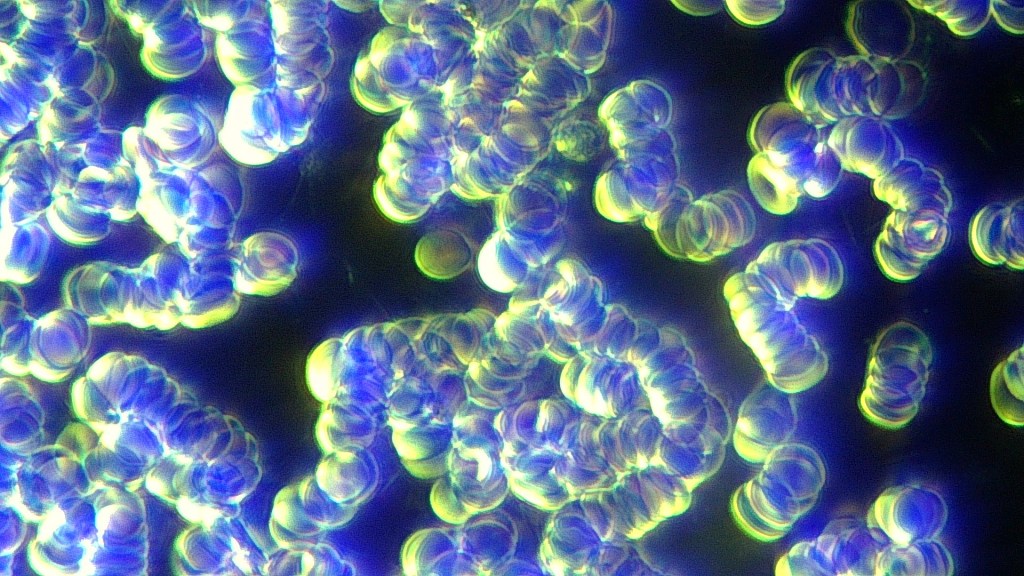
The first Image is of un-healthy cells -red blood which stick together, is a condition called Rouleau. The oxygen and carbon dioxide carrying ability of the red blood cell (RBC) is greatly diminished due to reduced surface area of the cells. The negative charge or zeta potential of the RBC is also greatly reduced, hence the low oxygen carrying capacity of the RBC.
“Rouleau” which is a roll of red blood cells resembling a pile of coins. It becomes obvious that the surface of the red blood cells is greatly reduced with this type of condition. As such, the transportation of oxygen is drastically hindered. Symptoms are fatigue, poor digestion, and possible edema.
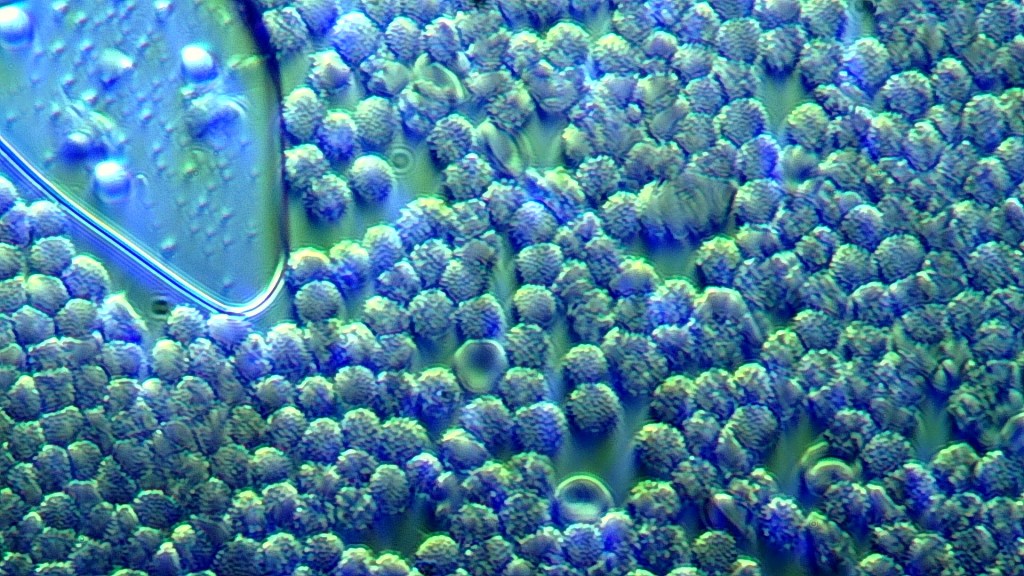
The second image of “Poikilocytes – are abnormally shaped erythrocyte. These RBC’s have an increase tendency to hemolyze since the cell membranes contain unsaturated fats creating an odd shaped cell with membrane corrugation, looking like “bottle caps.” Haemolysis is the rupture of the erythrocytes with release of haemoglobin into the plasma. Schistocytes is the term used to describe cell fragments. Exposure to high concentrations of chemical agents such as arsenic, lead, benzene, nitrites, and potassium chlorate can lead to destruction of erythrocytes.
Benefits
Health Analysis: LBV provides a holistic view of the body’s overall health by viewing living fresh drop of blood and review potential health risks.
Non-Invasive and Painless: LBV process is non-invasive and generally painless, making it a suitable option for individuals who may be uncomfortable with traditional medical tests that involve blood samples or invasive procedures.
Early Detection of Health Issues: LBV can view subtle changes in the body’s bio-energetic fields, enabling the identification of potential health issues at an early stage. Early detection may allow for timely interventions and preventive measures to maintain or improve health.
Personalized Health Recommendations: Based on the LBV results, we can provide personalized health recommendations, including dietary suggestions, lifestyle modifications, and suitable supplements, tailored to an individual’s specific needs through our partnered Natropath.
Tracking Health Progress: By regularly doing LBV, individuals can track changes in their health over time. This can help monitor the effectiveness of health interventions and adjustments made to lifestyle or treatment plans.
Quick and Efficient: The LBV process is usually quick and efficient, providing immediate results and enabling prompt discussions with healthcare providers about the findings.
Complementary to Traditional Diagnosis: LBV is not meant to replace traditional medical diagnosis or testing but can be used as a complementary tool to gain additional insights into an individual’s health status.

 3healing